2.2 Contemporary Conservation Biology
Conservation Biology
Wed Aug 27, 2025
Conservation Biology
Wed Aug 27, 2025
2.2 Contemporary Conservation Biology
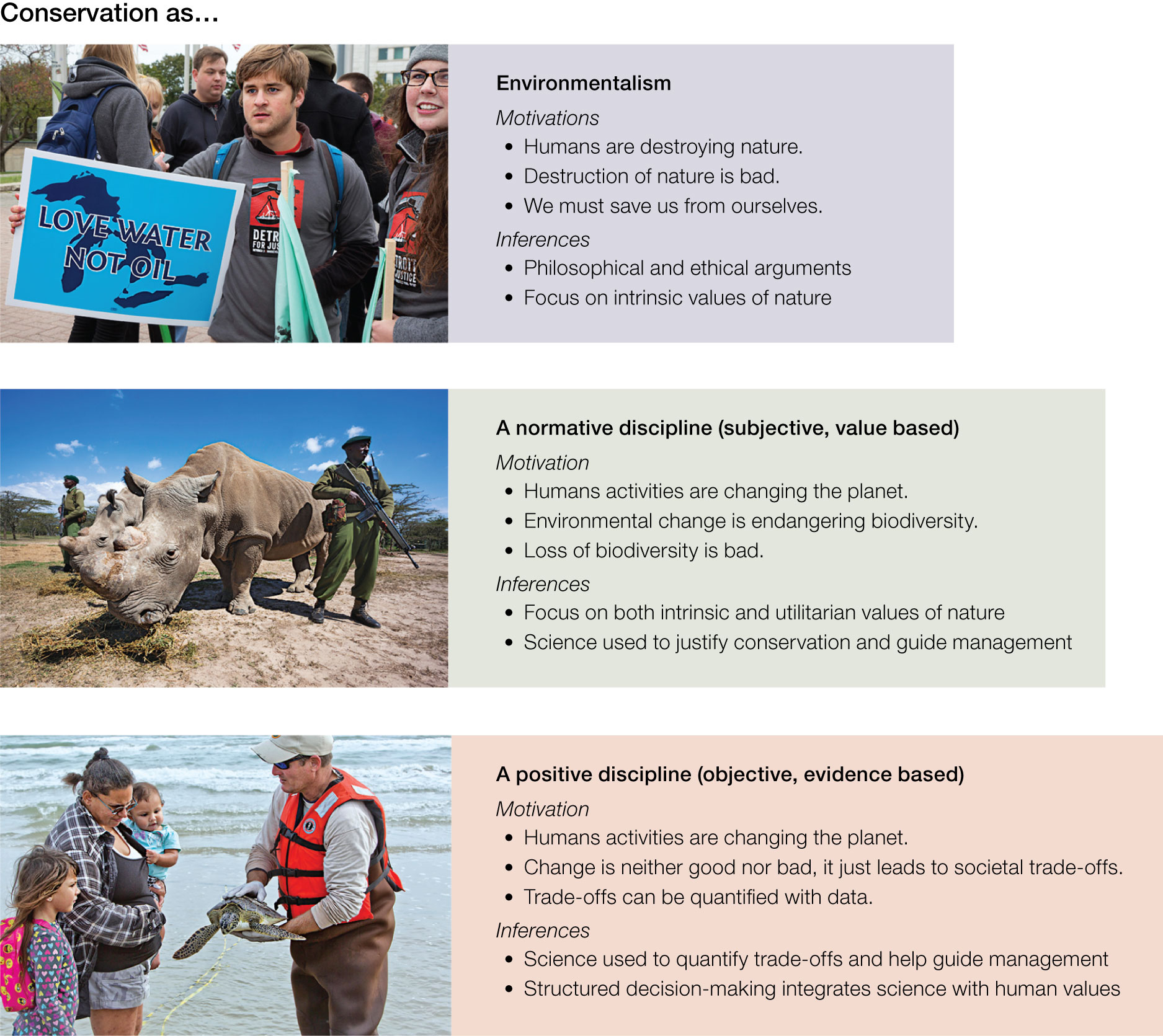
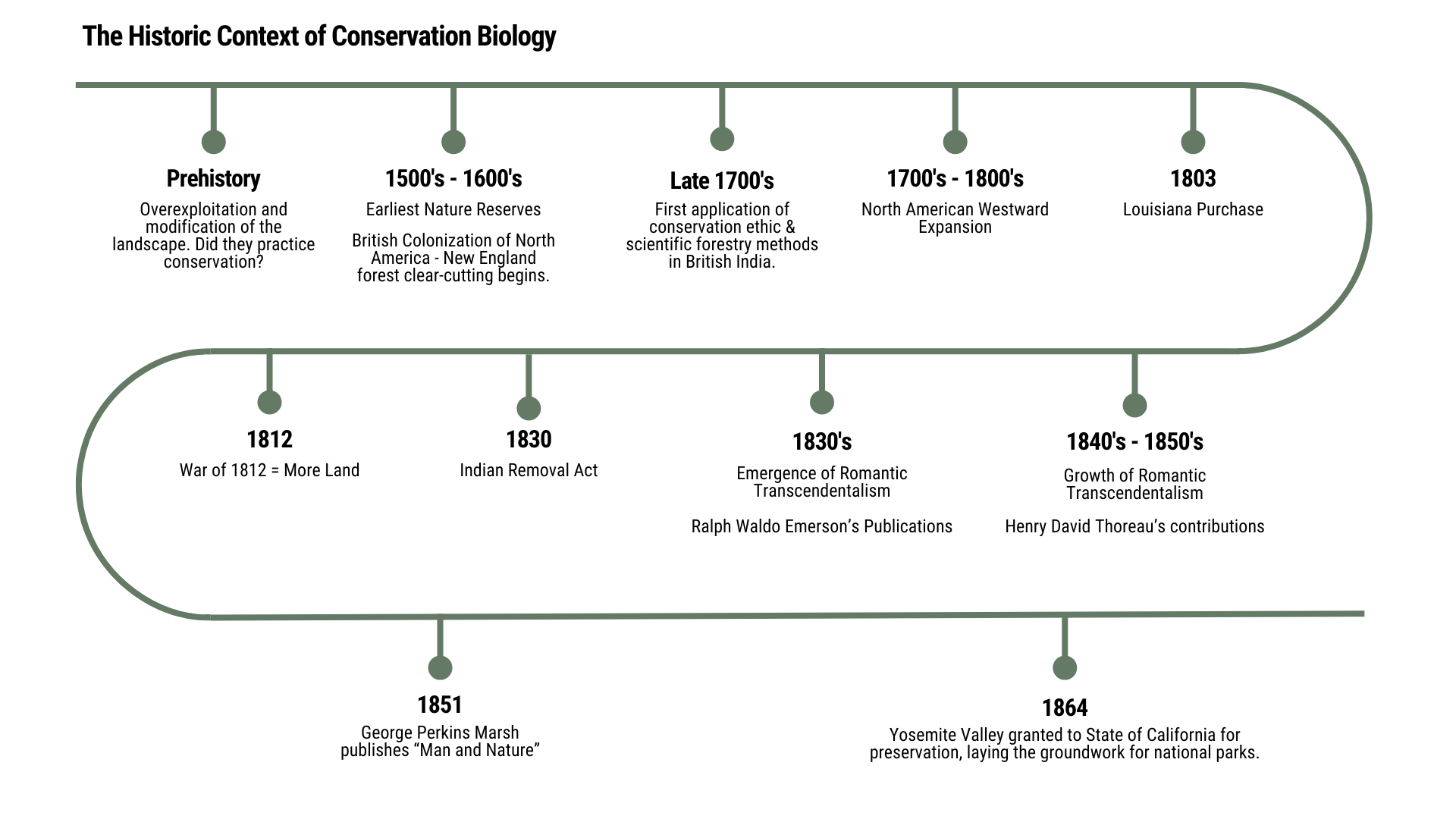
Historic Context
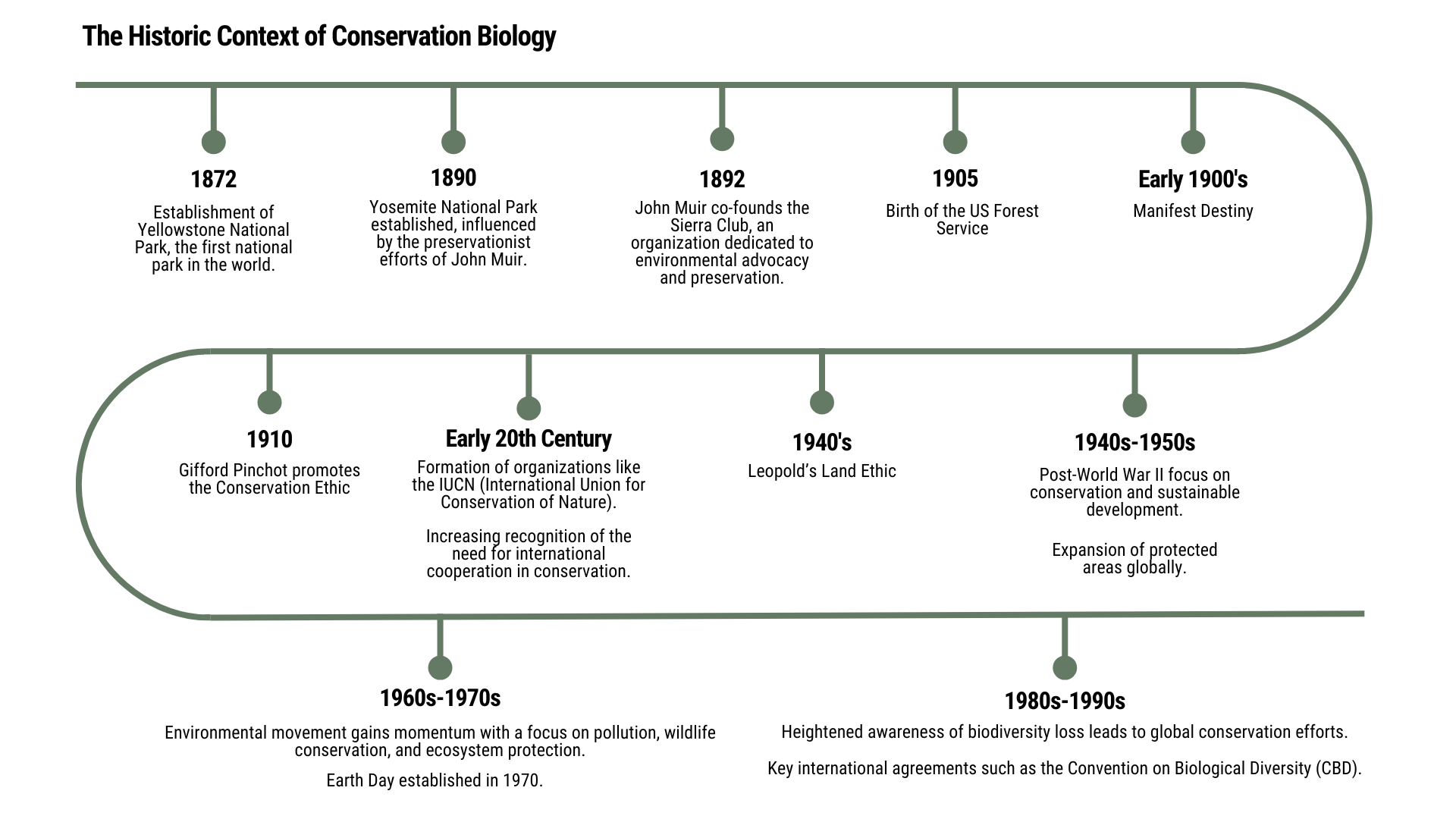
Historic Context
London’s Great Smog (1952)
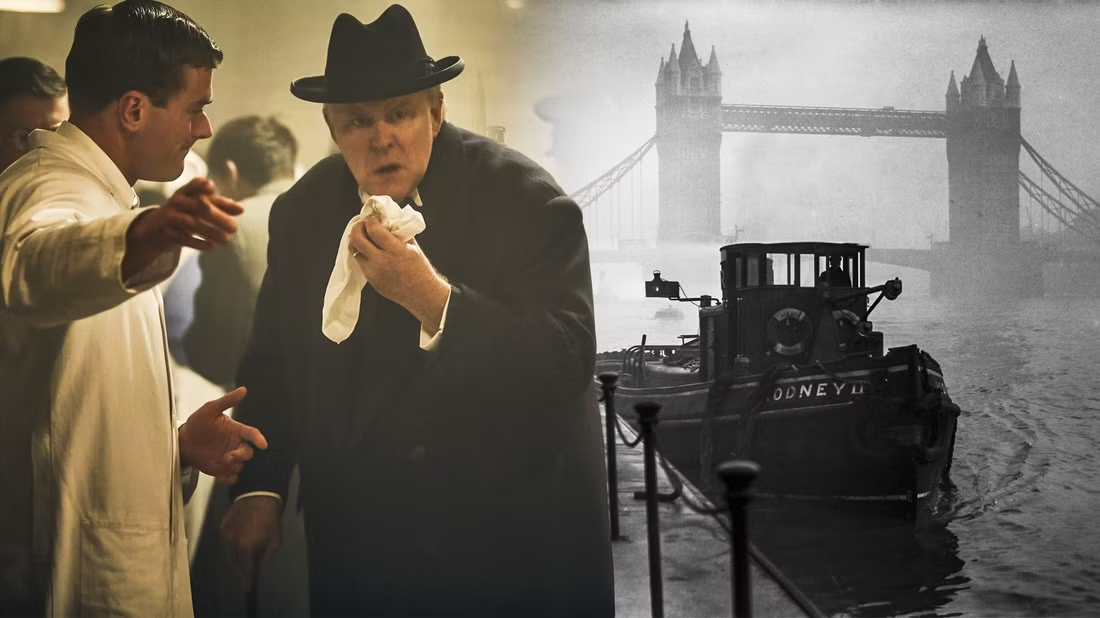
- Airborn nitrogen oxides, sulfur dioxide, and soot from coal burning
- Cold weather + windless conditions
- Result:
- A blanket of smog covered London for five days
Love Canal (1953)
Hooker Chemical Company began dumping industrial waste into the Love Canal near Niagara Falls, NY in the 1940s.
- Love Canal residents reported strange odors and blue goo bubbling into their basements.
- High rates of asthma, miscarriages, mental disabilities, and other health problems brought Love Canal into the spotlight in 1978
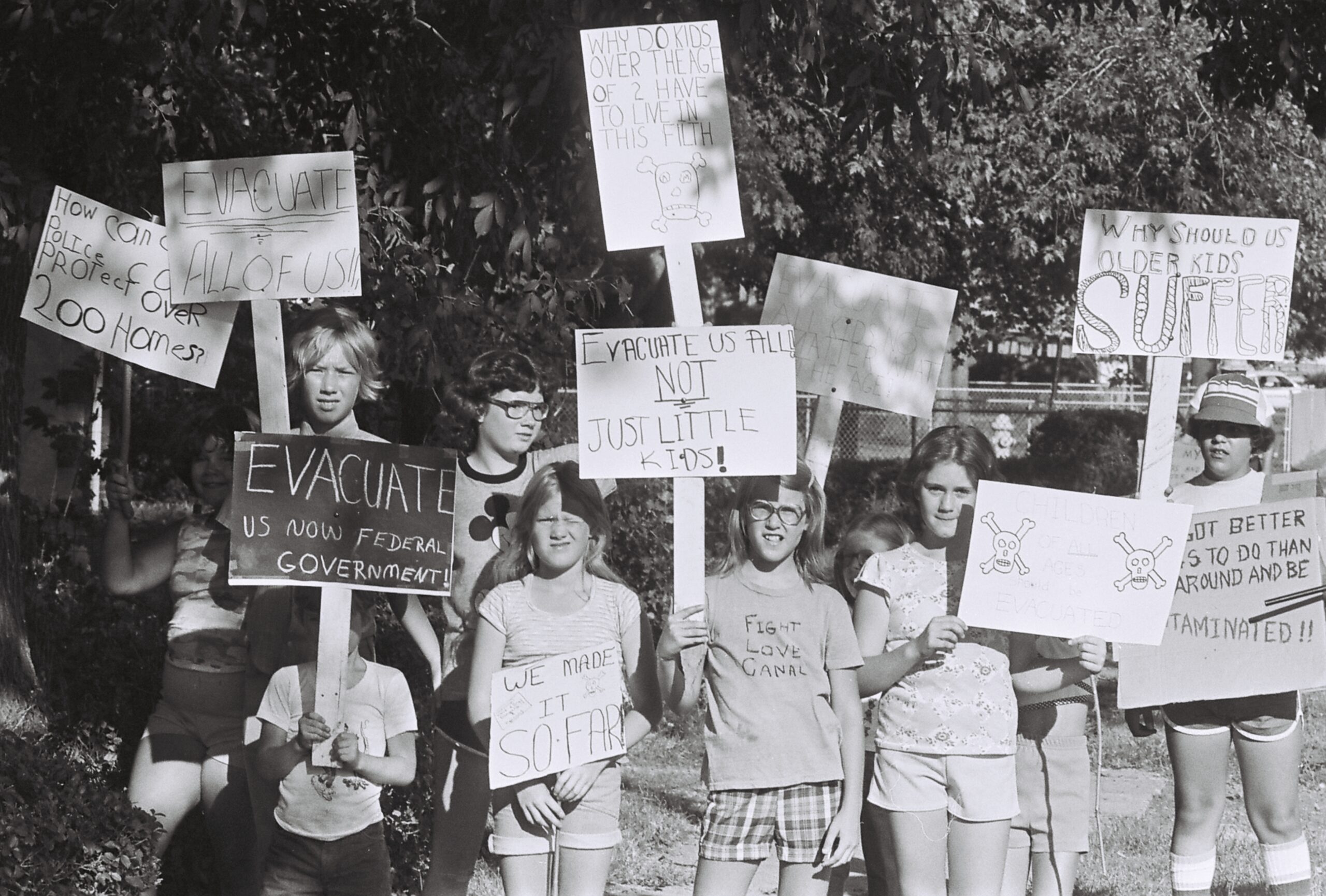
56% of children born there between 1974 and 1978 had birth defects.
Silent Spring (1962)
After WWII, DDT was promoted as a wonder chemical
- Rachel Carson published Silent Spring in 1962
- highlighted the dangers & consequences of DDT
- testified before U.S. Congress
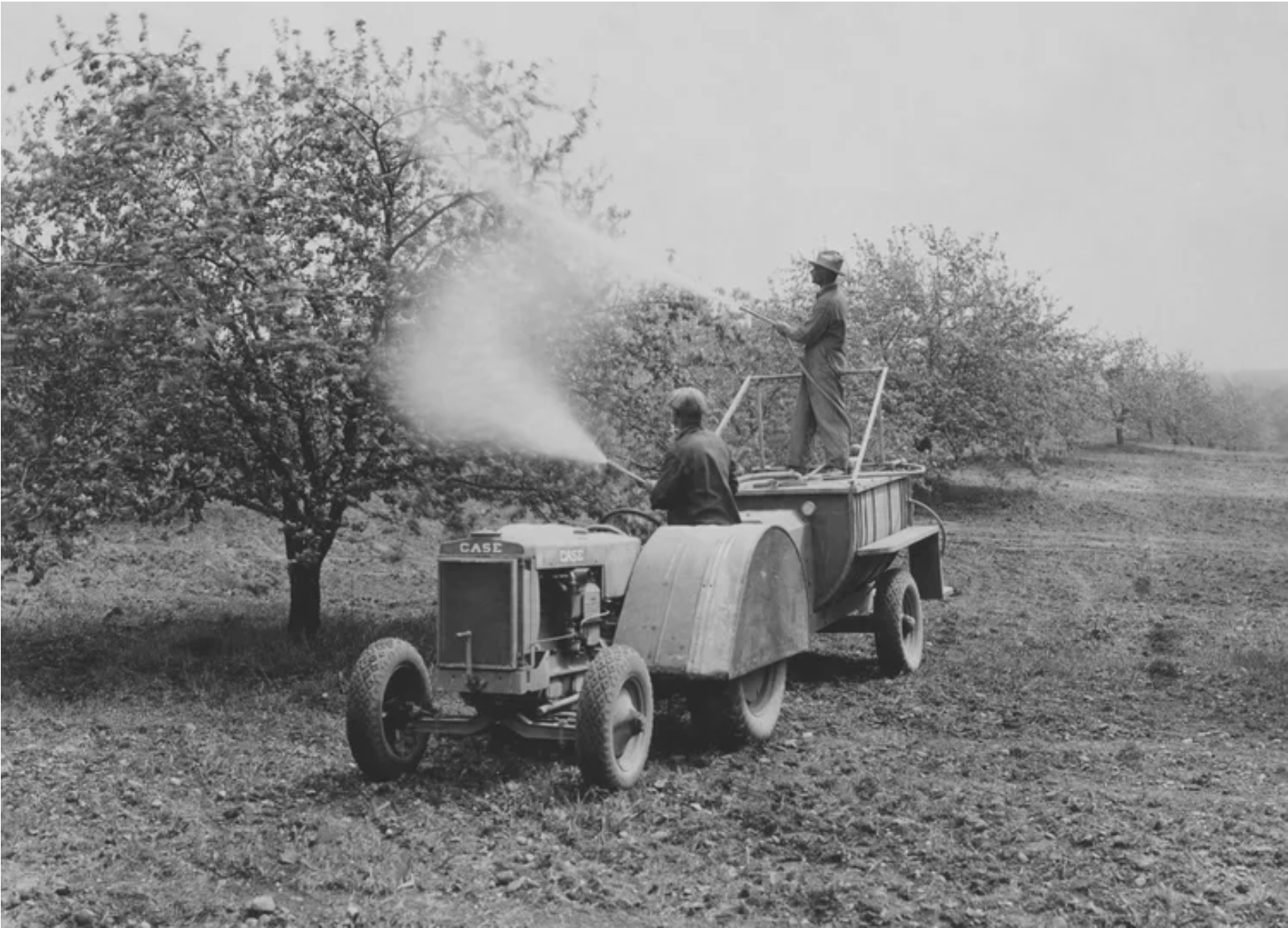
The U.S. Environmental Protection Agency was founded and subsequently banned the use of DDT
Cuyahoga River (1969)
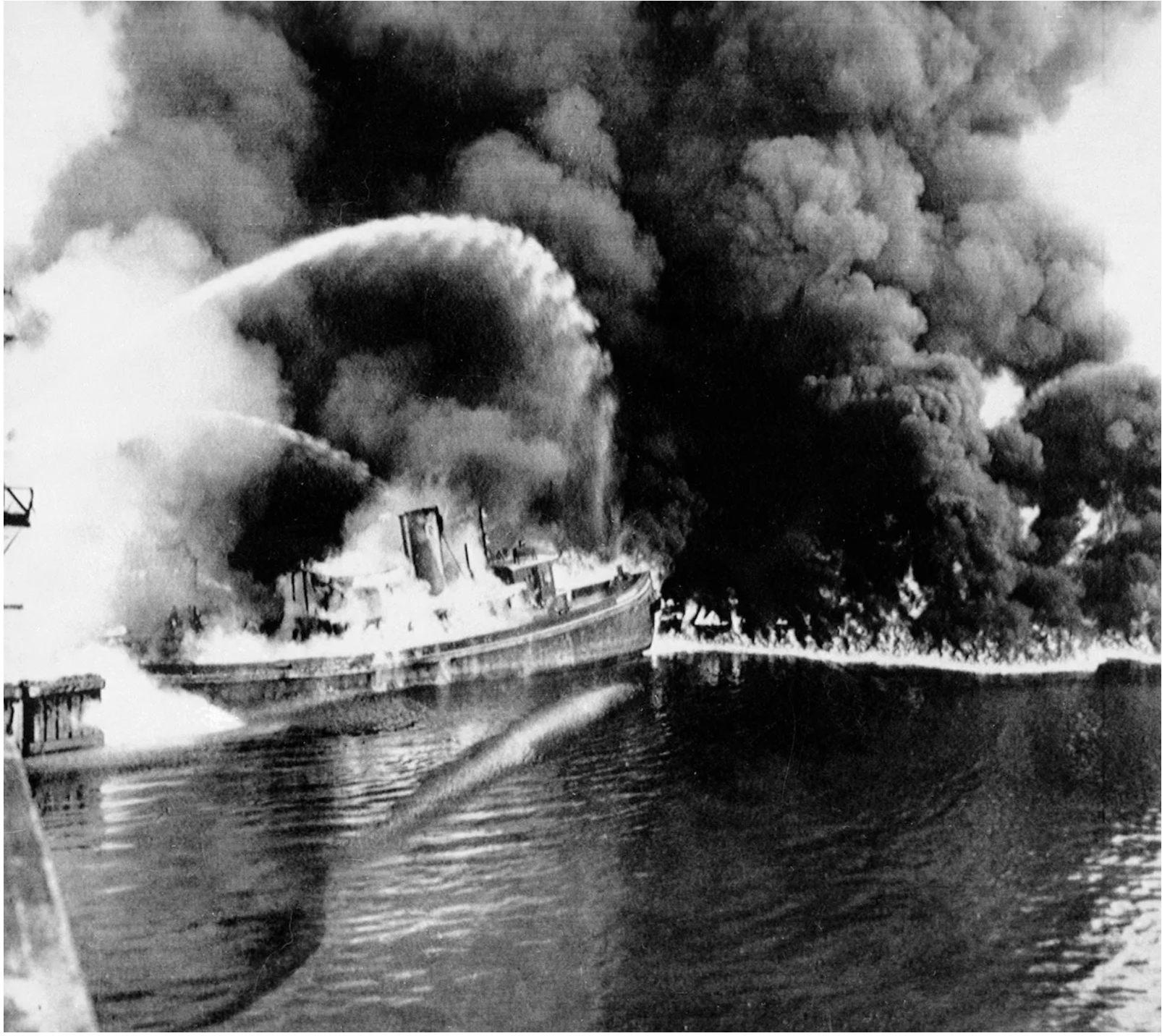
Industrial waste poured into Cleveland’s Cuyahoga River over decades
The river repeatedly caught fire over several years.
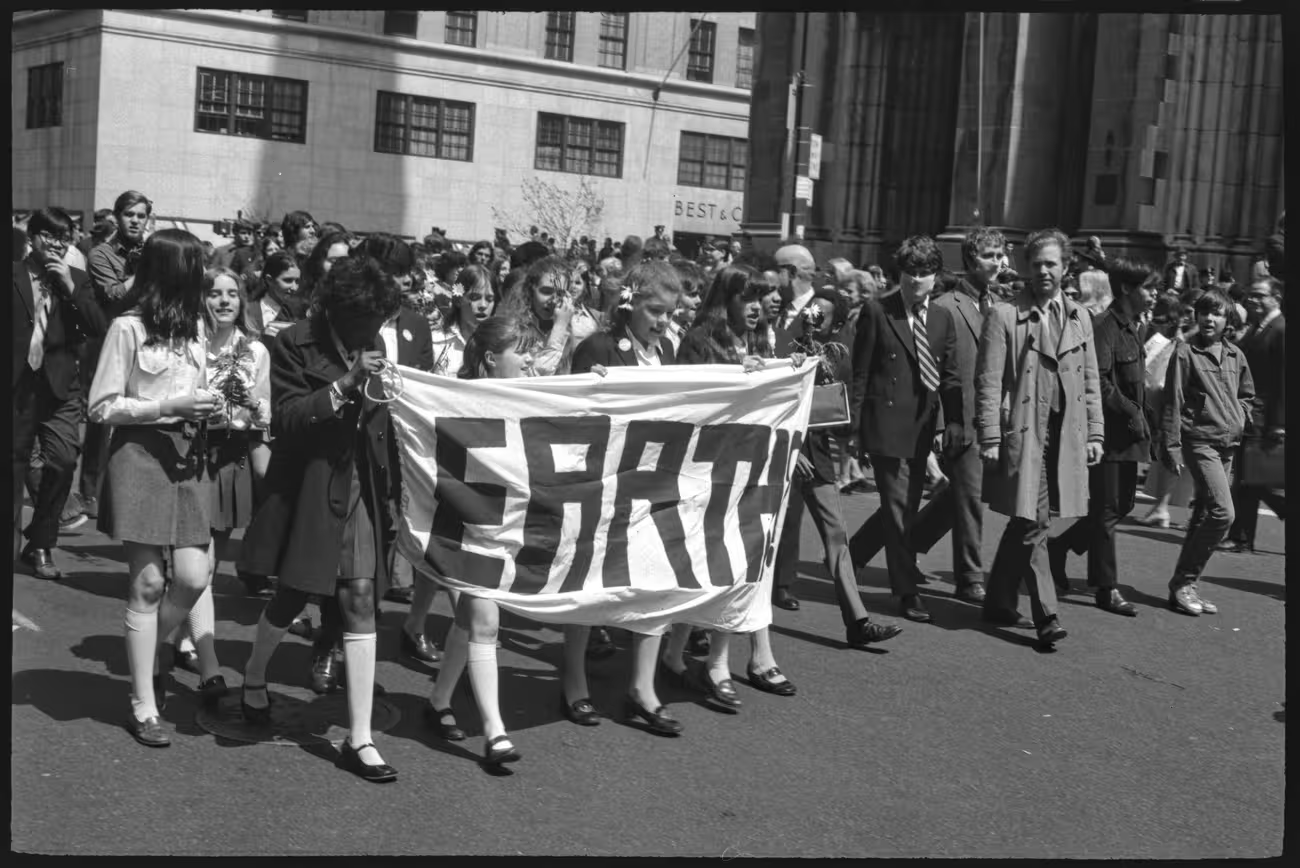
Earth Day (1970)
The first official Earth Day (April 22, 1970) marks a turning point in Environmental awareness and activism, particularly in the US, Canada, and Europe.
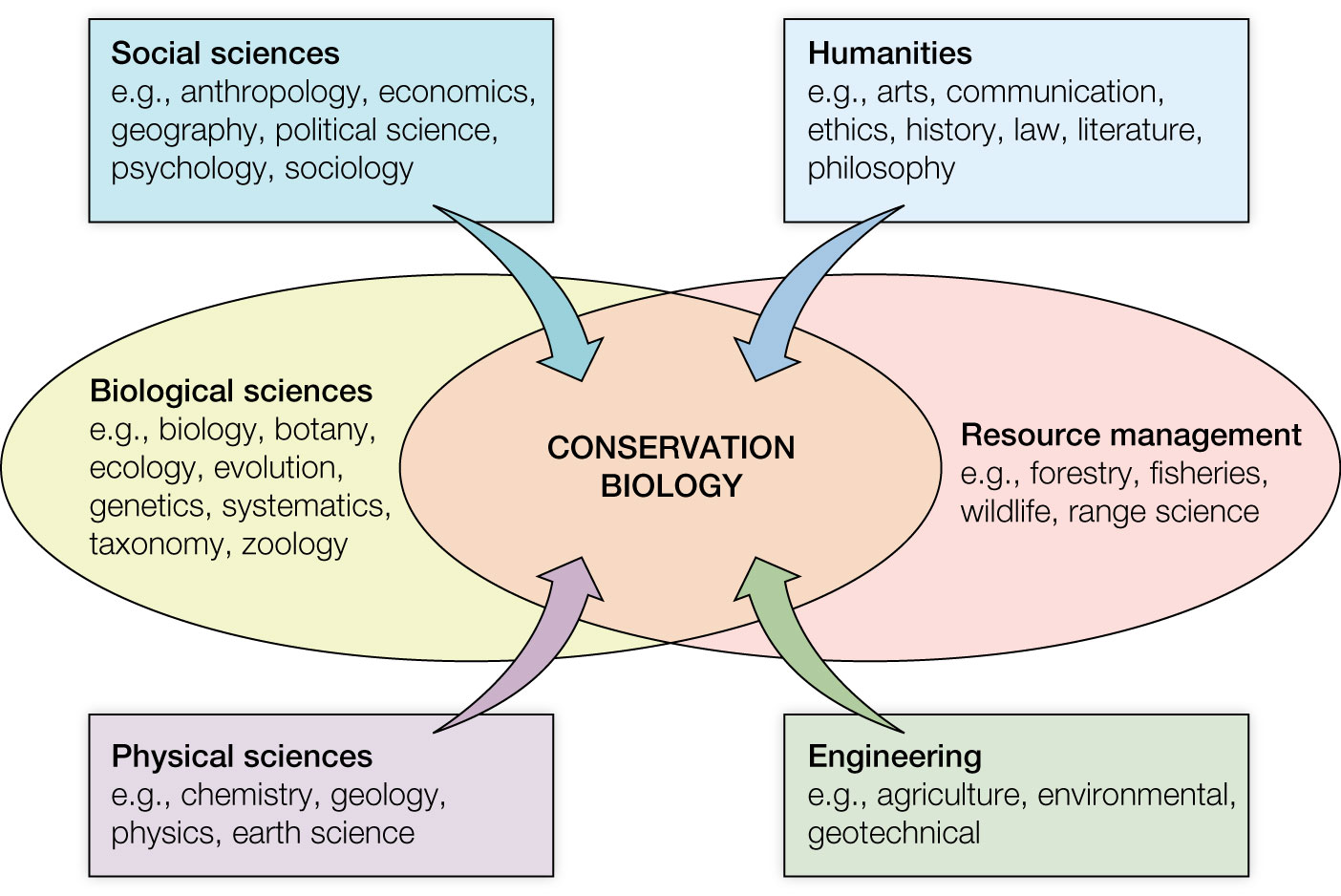
An Interdisciplinary Field
Views of Conservation

Views of Conservation
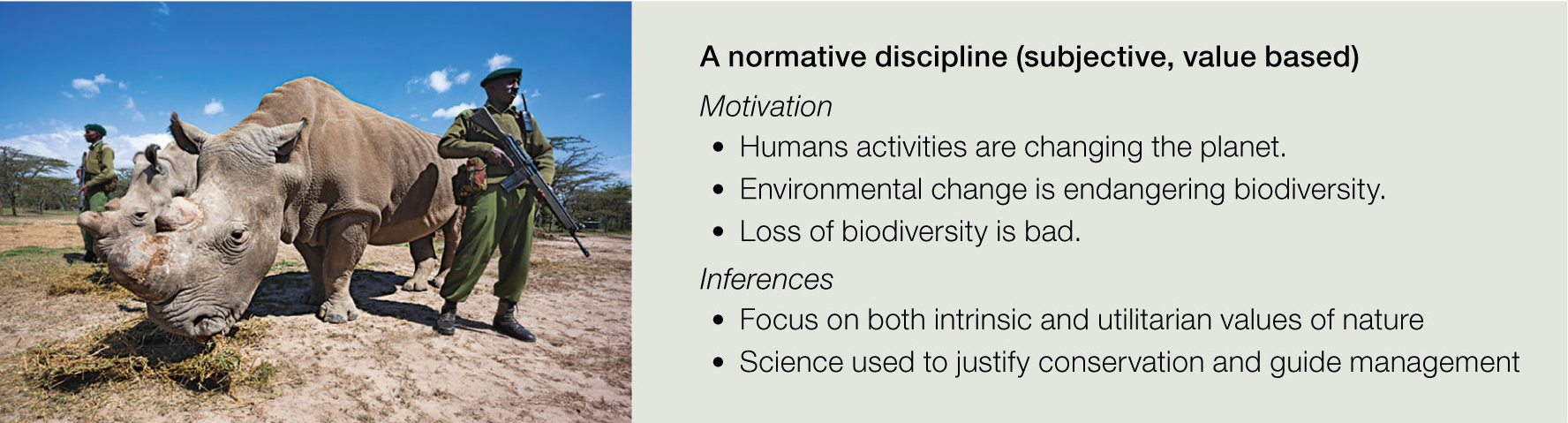
Views of Conservation